

The wake-up call most businesses are about to get
Picture this. Someone types into ChatGPT, “best digital marketing agency in Vizag” or “best hair restoration clinic near me.” ChatGPT answers instantly, names three or four brands, and the person never even opens Google.
Your business wasn’t one of them.
That’s not a hypothetical anymore. It’s happening every single day, and most business owners don’t even know it’s costing them customers because there’s no click to track, no impression in Google Analytics, nothing showing up in the dashboards they’re used to checking.
If you run a business and you’ve never thought about whether ChatGPT knows you exist, this guide is going to change how you think about visibility for good.
Table of Contents
ToggleWhat you're about to learn
This is a full breakdown of how ranking actually works inside ChatGPT, why it’s nothing like ranking on Google, and what you need to do this year if you want AI tools to mention your brand instead of your competitor’s. I run a digital marketing agency, and I’ve spent the last several months testing this on real client websites, not just reading about it. So everything here comes from actually doing the work, not from theory.
Quick Answer
To Rank in ChatGPT search results, your content needs three things: clear, direct answers to real questions, structured data that AI systems can parse easily, and mentions or citations from other trusted sources across the web. ChatGPT doesn’t rank pages the way Google does. It pulls from sources it trusts and pieces together an answer, so your goal is to become one of those trusted sources.
What Is Ranking in ChatGPT, Really?
When people say Rank in ChatGPT , they’re talking about something officially called Answer Engine Optimization, or AEO. It’s the cousin of SEO, but the rules are different enough that treating them the same way will waste your time.
With Google, you’re competing for a position on a page of ten blue links. With ChatGPT, there’s no page and no position. The model reads through what it knows and what it can pull from the web in real time, then writes a single answer. If your brand, your blog post, or your product gets referenced in that answer, you’ve ranked. If it doesn’t, you’re invisible, even if you’re sitting at number one on Google for the same keyword.
Here’s a simple way to picture it. Imagine asking a well-read friend for a recommendation instead of searching for one yourself. Your friend doesn’t show you ten options. They tell you what they’d actually pick, and why. ChatGPT works the same way. It’s not browsing a directory; it’s making a judgment call based on what it has absorbed as credible.
Why This Actually Matters for Your Business
A lot of business owners I talk to brush this off because the traffic numbers from AI platforms still look small compared to Google. That’s a mistake, and here’s why.
People who get an answer from ChatGPT are usually further along in their decision than someone typing a vague search query. They’re not browsing. They’re asking something specific, often with intent to buy or book within days. Getting mentioned in that moment carries more weight than ten random clicks from a search results page.
There’s also a trust transfer happening. When ChatGPT names your brand alongside two or three competitors, you’re automatically positioned as a serious player, even before the person visits your website. That’s a kind of credibility you usually have to earn slowly. AEO can hand it to you faster if you do the groundwork right.
And the gap between businesses that show up and businesses that don’t is only going to widen. The ones investing in this now are quietly building a lead that gets harder to close every quarter.
The Complete Step-by-Step Process
Step 1: Lead With the Answer, Not the Buildup
What it means: Most websites bury the actual answer to a question three paragraphs deep, after an introduction nobody asked for. AI systems don’t have the patience for that, and honestly, neither do humans.
Why it matters: ChatGPT pulls content in chunks. If your page opens with fluff before getting to the point, the model may skip your content entirely in favor of a competitor’s page that answers faster.
How to do it: Open every important section with a direct, complete answer in the first one or two sentences. Save your explanation, your story, your context for after that. Treat your opening line like the answer you’d give if someone only had ten seconds to listen.
Example: Instead of starting a page about hair transplant costs with a paragraph on the history of hair loss treatments, open with the actual cost range, then explain what affects the price.
Pro Tip: Read your first sentence out loud. If it doesn’t answer the question someone typed, rewrite it.
Step 2: Build Real Topical Authority, Not Just One Good Page
What it means: One brilliant blog post won’t convince an AI model that you’re an authority on a topic. A cluster of related, well-connected content will.
Why it matters: AI systems weigh how deeply a site covers a subject. A site with twenty thoughtful pages on hair restoration looks far more credible than a competitor with one long post and nothing else, even if that one post is good.
How to do it: Map out every question your ideal customer might ask around your core topic, then build content that answers each one properly, and link them together so the connections are obvious.
Example: A hair studio shouldn’t just have one page on hair bonding. They need pages on the cost, the aftercare, who it’s right for, how it compares to extensions, and real before and after context, all linked to each other.
Pro Tip: Before publishing anything new, ask yourself if it adds a piece nobody else has covered, or if you’re just repeating what’s already out there in different words.
Step 3: Add Structured Data the Right Way
What it means: Schema markup is code on your website that tells search engines and AI crawlers exactly what your content is, in a language machines understand without guessing.
Why it matters: Without it, an AI model has to interpret your page like a human skimming through it, which is slower and far less reliable. With it, the model gets a clean, structured summary handed straight to it.
How to do it: Add Organization schema so your business identity is clear, FAQPage schema on pages with question and answer sections, and Article schema with proper author and date fields on your blog content.
Example: A page answering “how much does non surgical hair replacement cost” should carry FAQPage schema with the question and a concise answer marked up clearly, not just buried in regular paragraph text.
Pro Tip: Test every schema implementation with a validator before assuming it’s working. A lot of websites have broken schema and don’t realize it.
Step 4: Earn Mentions Across the Web You Don’t Control
What it means: ChatGPT trusts what it sees repeated across multiple credible sources far more than it trusts a claim made only on your own site.
Why it matters: If the only place saying you’re the best hair studio in Hyderabad is your own homepage, that carries almost no weight. If review sites, local directories, and a few independent blogs say it too, that’s a different story.
How to do it: Get listed properly on relevant directories, encourage real client reviews on platforms like Google Business Profile, and pursue mentions on industry blogs, local news sites, or comparison pages where your category gets discussed.
Example: A client of ours saw a noticeable lift in AI mentions after getting featured on a couple of local Hyderabad business roundup articles, alongside cleaning up inconsistent listings across directories.
Pro Tip: Consistency matters more than volume here. Your business name, address, and phone number need to match exactly everywhere they appear online.
Step 5: Keep Everything Current
What it means: AI models are increasingly cautious about outdated information, and they can often tell when content hasn’t been touched in years.
Why it matters: A page with prices, statistics, or claims from 2022 sitting untouched signals to the model that fresher, more reliable sources exist elsewhere, even if your actual service hasn’t changed much.
How to do it: Review your top-performing pages every few months. Update numbers, swap out old examples, and visibly note when something was last updated.
Example: If you quote average treatment costs, update them whenever your real pricing shifts, and add a small “last updated” note near the top of the page.
Pro Tip: Don’t just change the date and call it done. AI systems and readers both notice when the content underneath the date stamp hasn’t actually changed.
Step 6: Make Sure AI Bots Can Actually Read Your Site
What it means: None of the above matters if the technical setup of your website is blocking AI crawlers from accessing your pages in the first place.
Why it matters: A surprising number of websites unintentionally block bots like GPTBot through outdated robots.txt files or overly aggressive security settings, which means they’re invisible no matter how good the content is.
How to do it: Check your robots.txt file specifically for AI crawler permissions, make sure your site loads cleanly without heavy reliance on JavaScript for core content, and confirm your sitemap is current and submitted.
Example: We’ve audited sites that ranked well on Google but had robots.txt rules from years ago quietly blocking every major AI crawler. Fixing one file opened the door that was closed the whole time.
Pro Tip: Run a quick crawler test every quarter. Things change, plugins get updated, and security settings get tightened without anyone realizing the side effects.
Common Mistakes That Quietly Kill Your Visibility
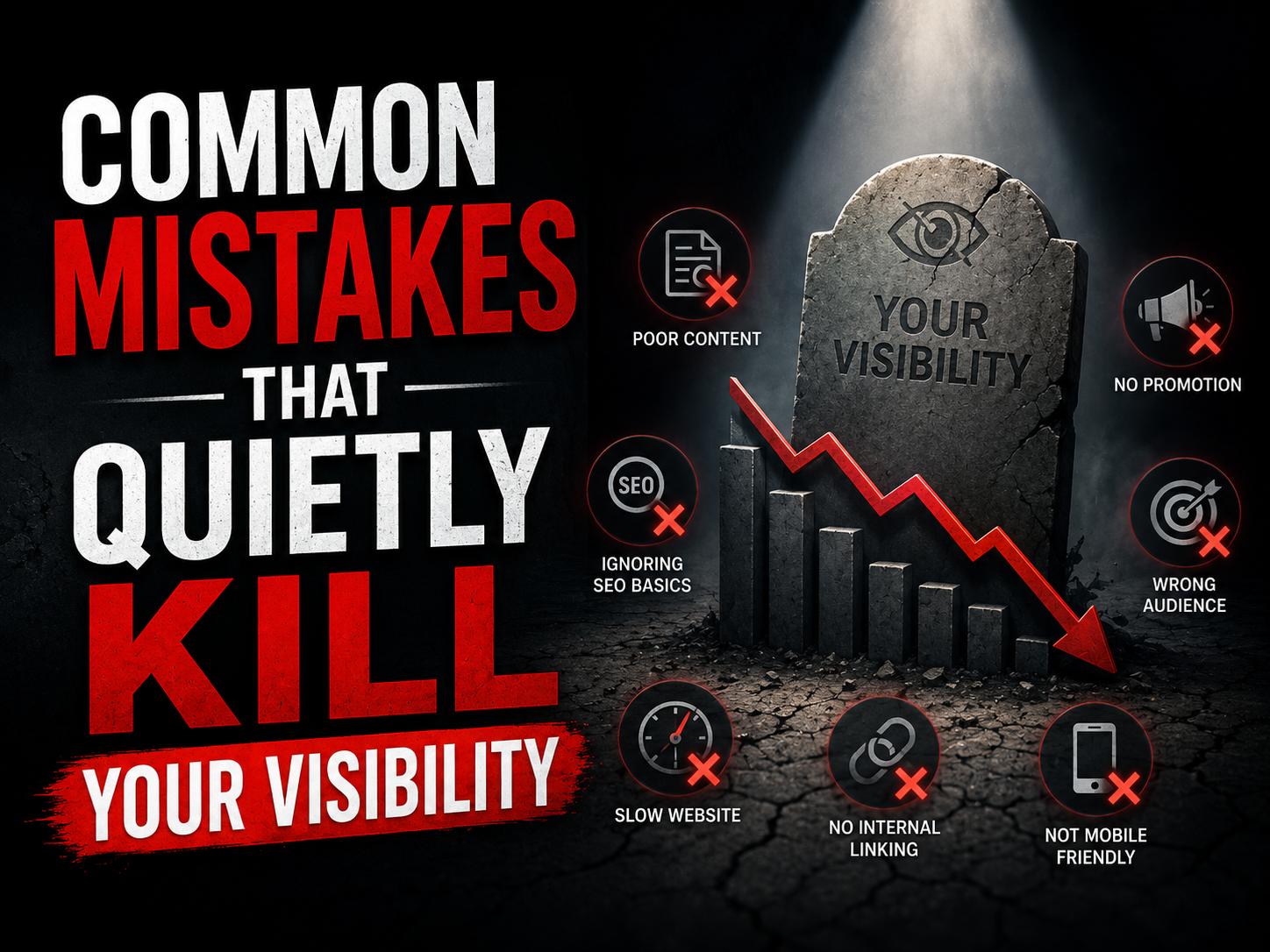
Mistake: Writing for keywords instead of questions. Impact: Your content technically mentions the right terms but never actually answers what someone is asking, so AI models skip past it. Solution: Rewrite headers and openings as real questions and real answers, not keyword phrases stitched together.
Mistake: Treating your homepage as your only authority page. Impact: A thin, sales-heavy homepage gives AI nothing substantial to pull from. Solution: Build out genuinely useful supporting pages and let the homepage be the introduction, not the whole story Rank in ChatGPT
Mistake: Ignoring third-party mentions entirely. Impact: Even great content stays invisible if nobody else online is talking about you. Solution: Put real effort into reviews, local press, and directory listings, not just your own blog.
Mistake: Letting old, inaccurate content sit untouched. Impact: Outdated claims damage trust signals and can actively work against you. Solution: Build a quarterly content review into your workflow instead of treating publishing as a one-time task Rank in ChatGPT
Best Practices Worth Building Into Your Routine
Write every page as if you’re explaining it to a smart friend who knows nothing about the topic yet. Keep your sentences clear instead of clever. Add real numbers wherever you can, since AI systems lean heavily on specific data points over vague claims. Put a visible author with real credentials on important content, because trust signals matter more than people expect. And test your own visibility regularly by simply asking ChatGPT the questions your customers would ask, then noticing whether you show up at all.
Tools and Resources Worth Knowing About
Tool or Resource | Best For | Notes |
Schema Markup Validator | Checking structured data | Free, should be used before every major page launch |
Google Search Console | Crawlability and indexing issues | Still relevant since AI crawlers often follow similar paths |
Google Business Profile | Local trust signals | Critical for any location-based business |
Manual prompt testing | Checking real AI visibility | Just ask ChatGPT your target questions directly, regularly |
AEO and AI visibility platforms (Profound, Quattr, and similar) | Tracking citations at scale | Useful once you’re managing several brands or a large content library |
A Real World Pattern Worth Paying Attention To
A B2B software company once realized they were completely absent from ChatGPT’s answers despite ranking well on Google for the same topics. Their site was full of polished marketing language, the kind built to impress a human reading a homepage, but almost nothing in the way of plain, specific answers an AI model could lift and use.
The challenge wasn’t visibility in the traditional sense. It was extractability. Their content simply wasn’t shaped in a way that gave an AI model anything concrete to grab onto.
Once they rebuilt key pages around direct answers, added real numbers instead of vague promises, and earned a handful of mentions from independent comparison sites, they started showing up in relevant AI-generated answers within a few months.
The lesson sits there plainly. Ranking well on Google and ranking well in AI answers are not the same achievement, and assuming one guarantees the other is exactly how businesses end up invisible without realizing it Rank in ChatGPT
Expert Tips for Going Further
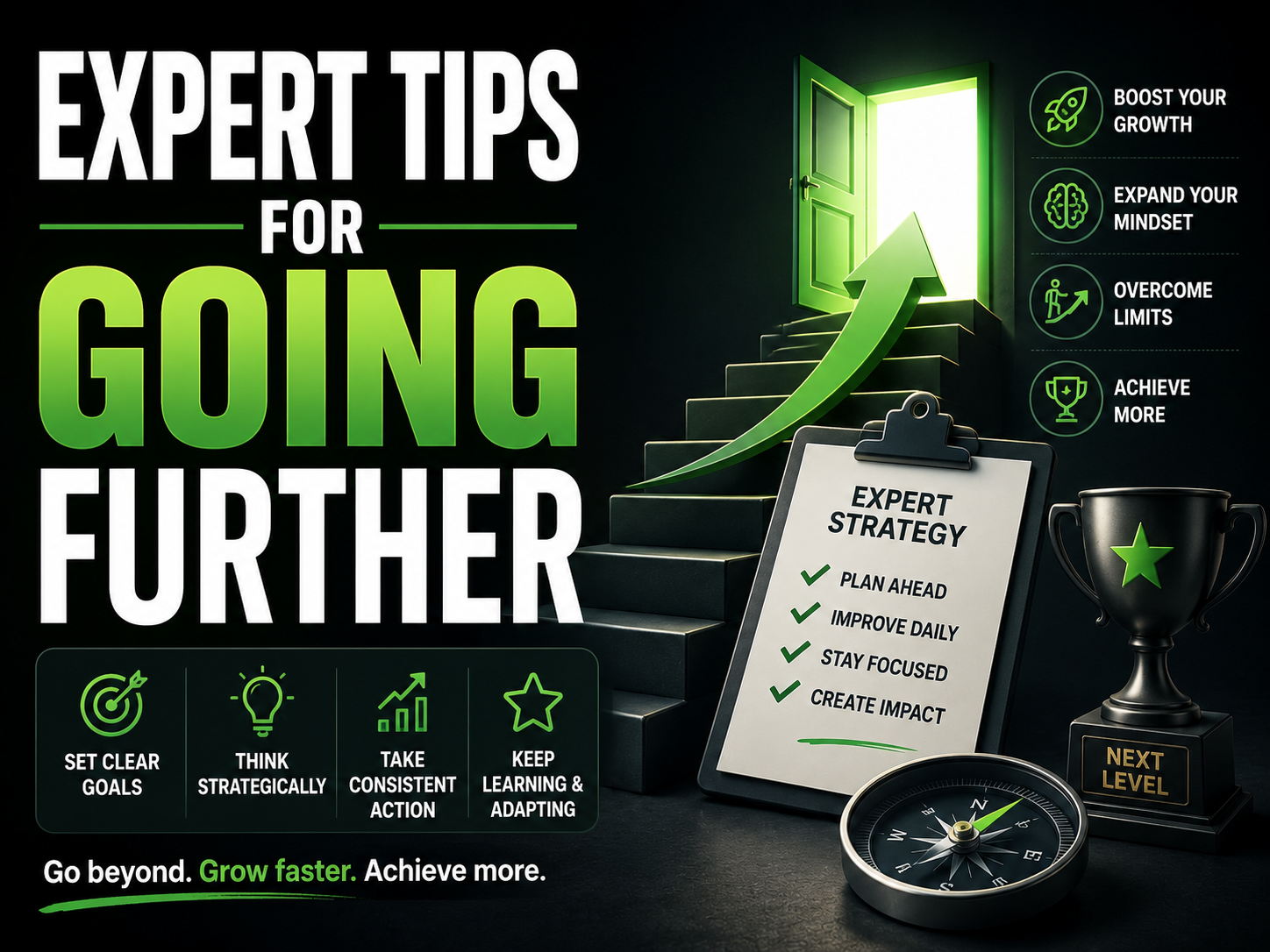
Rank in ChatGPT Think in terms of entities, not just keywords. AI models build an understanding of your brand as a connected set of facts: your location, your services, your reputation, rather than a list of search terms you’re chasing. The more consistently those facts appear across the web, the stronger your entity becomes.
Pay attention to how competitors get cited, not just whether they rank. Ask ChatGPT the same questions your customers would ask, and study exactly which sources get pulled in. That tells you precisely what the model considers credible in your space right now.
And don’t ignore Reddit, forums, and community discussions. Several AI platforms lean on this kind of content more than people assume, since it reads as unfiltered, real-world opinion rather than marketing copy.
Frequently Asked Questions
Does ranking on Google guarantee I'll rank in ChatGPT too?
No. They use different signals entirely. Strong Google rankings can help, but ChatGPT visibility depends heavily on structure, third party mentions, and how easily your content can be extracted and reused.
How long does it take to start showing up in ChatGPT answers?
Most businesses see early movement within a few months of consistent work, though it depends heavily on how competitive the topic is and how much trust your existing online presence already carries Rank in ChatGPT
Do I need to pay for ads to appear in ChatGPT?
No, current AI search results are driven by content, structure, and credibility signals rather than paid placement, though that landscape could shift over time.
Is schema markup really necessary, or is it overhyped?
It’s genuinely useful. It removes ambiguity for AI crawlers and makes your content far easier to parse correctly, which matters more as competition for AI visibility grows.
Can a small local business actually compete here?
Yes, often more easily than on Google. Local intent questions tend to favor specific, well-structured, locally relevant content over big generic brands.
What's the difference between SEO, AEO, and GEO?
Rank in ChatGPT SEO focuses on ranking pages in traditional search engines. AEO focuses on getting featured in direct AI-generated answers. GEO is a broader term covering optimization across generative AI platforms as a whole. They overlap heavily in practice.
Should I rewrite my entire website for AI search?
Rank in ChatGPT Not necessarily. Start with your highest value pages, the ones tied closest to actual customer decisions, and improve those first before tackling everything else.
Does having a blog actually help with ChatGPT visibility?
Yes, especially when the blog answers real, specific questions rather than publishing generic filler content just to hit a posting schedule.
How do I even check if my business shows up in ChatGPT right now?
Simply open ChatGPT and ask it the exact questions your potential customers would ask. Do this regularly, since answers can shift as the model updates and as more content gets published online.
Is this worth the investment for a smaller business?
If your customers are searching for what you offer, and a growing number of them are using AI tools to do it, then yes. The businesses building this foundation now will have a real head start over the ones who wait.
Key Takeaways
- ChatGPT doesn’t rank pages; it selects sources it trusts and builds an answer from them. Rank in ChatGPT
- Leading with direct answers matters more than clever writing
- Topical depth across multiple connected pages beats one strong standalone post
- Structured data gives AI models a clean, reliable way to understand your content
- Third-party mentions and reviews carry serious weight, more than most businesses realize
- Outdated content quietly damages trust signals over time
- Technical issues like blocked crawlers can undo good content without anyone noticing
Conclusion
Rank in ChatGPT AI search isn’t a future trend you can plan for later. It’s already shaping how people discover businesses today, quietly and without the usual signs you’d notice in a dashboard. The businesses paying attention now, the ones willing to restructure their content, clean up their technical setup, and build genuine authority across the web, are the ones that’ll still be getting recommended five years from now while everyone else wonders where their leads went.
Ready to Make Sure ChatGPT Knows You Exist?
Rank in ChatGPT If you’ve read this far, you already know this isn’t optional anymore. At NexasAI, we’ve been doing exactly this kind of work for clients across Hyderabad and Vizag, restructuring content, fixing technical gaps, and building the kind of authority AI tools actually trust. If you want to find out where your business currently stands in AI search, reach out and we’ll walk you through it.